Where does everyone sit in your family?
Why a regular seat at the family table means more than you might think.
An idea from the LUMI Family Guide
Share this idea
Where does everyone sit in your family?
No one decides it – yet everyone has their special spot. A little habit that later feels like home.
The shared link opens this article directly in the LUMI Family Guide.
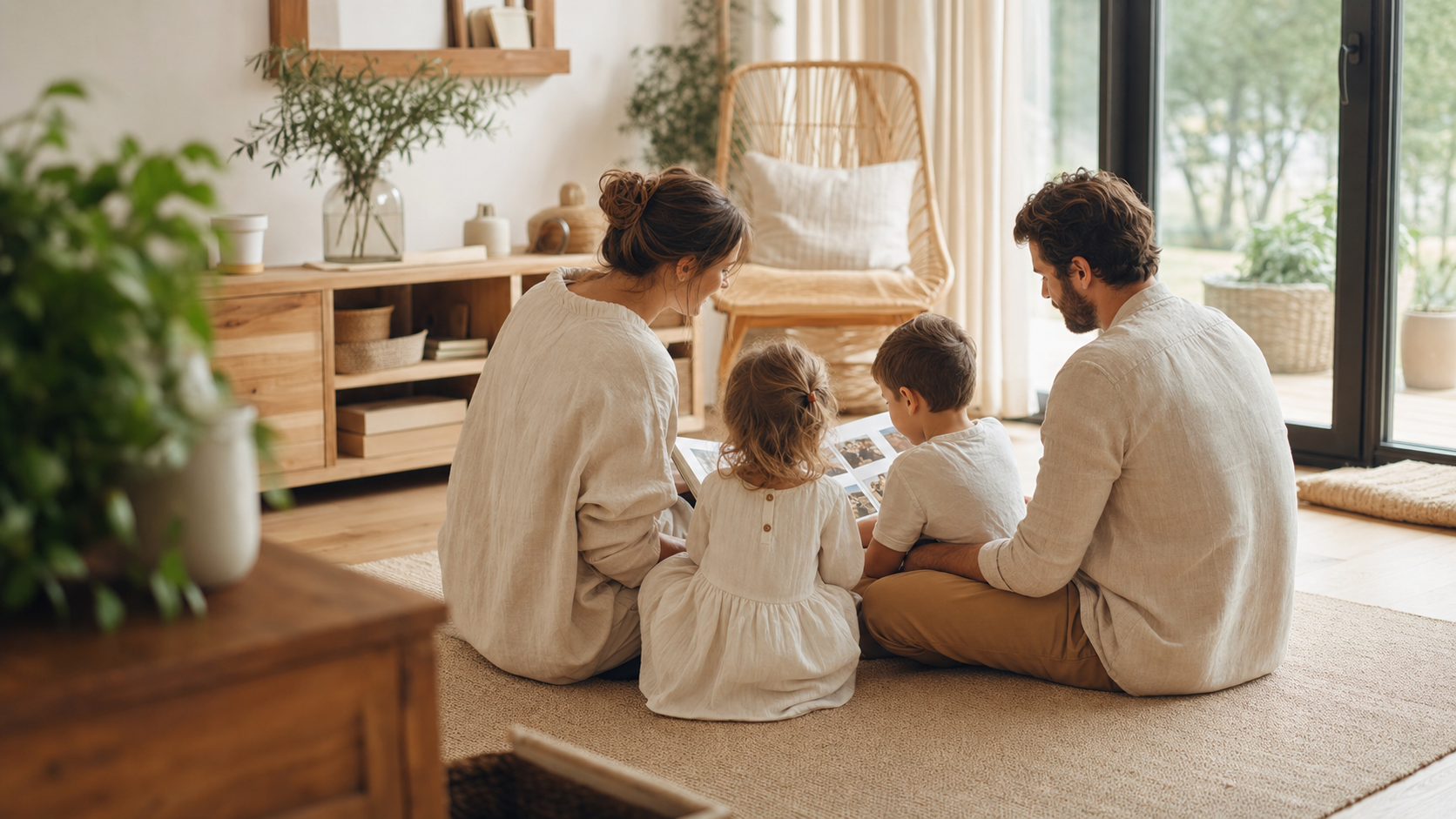
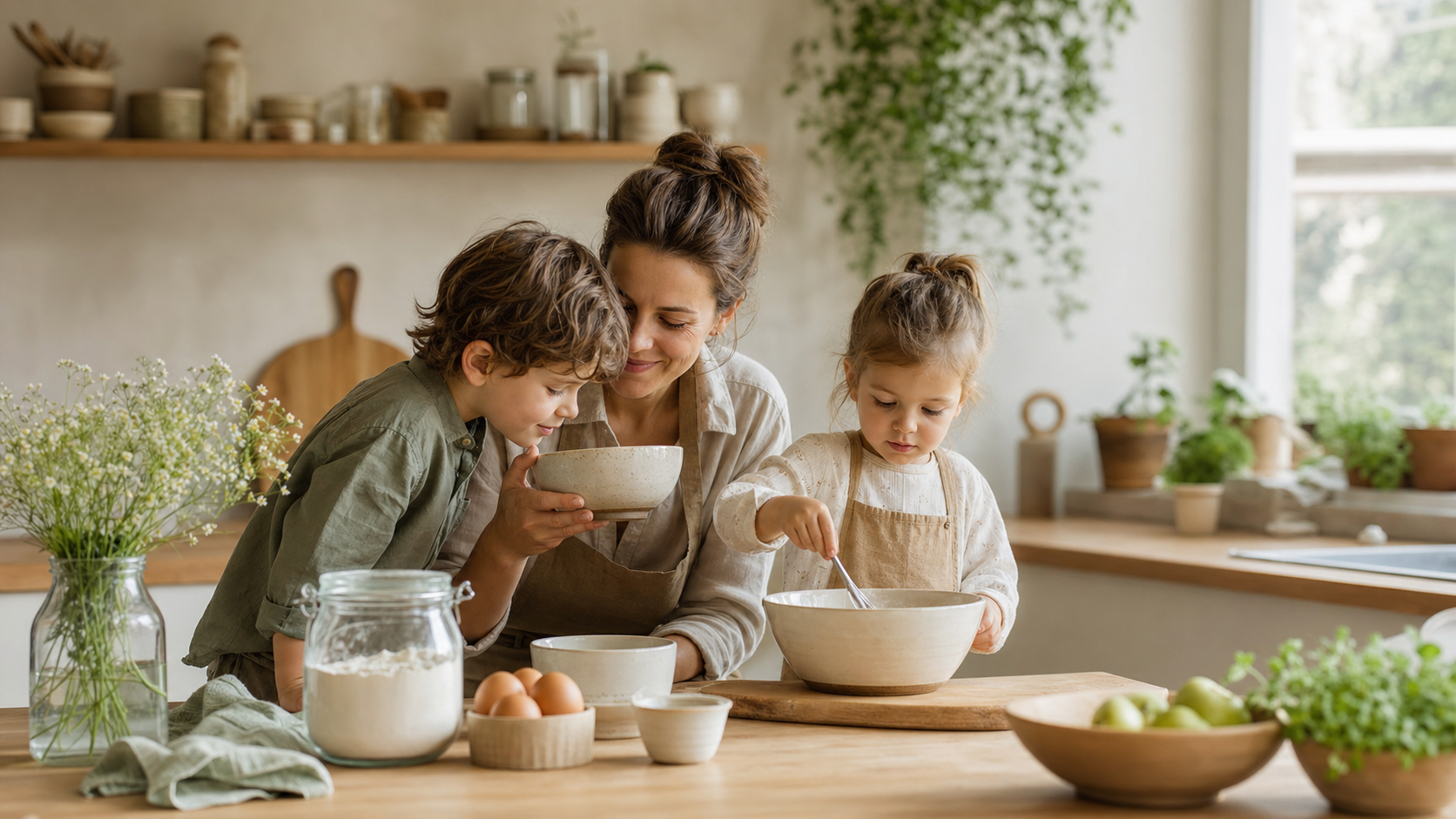
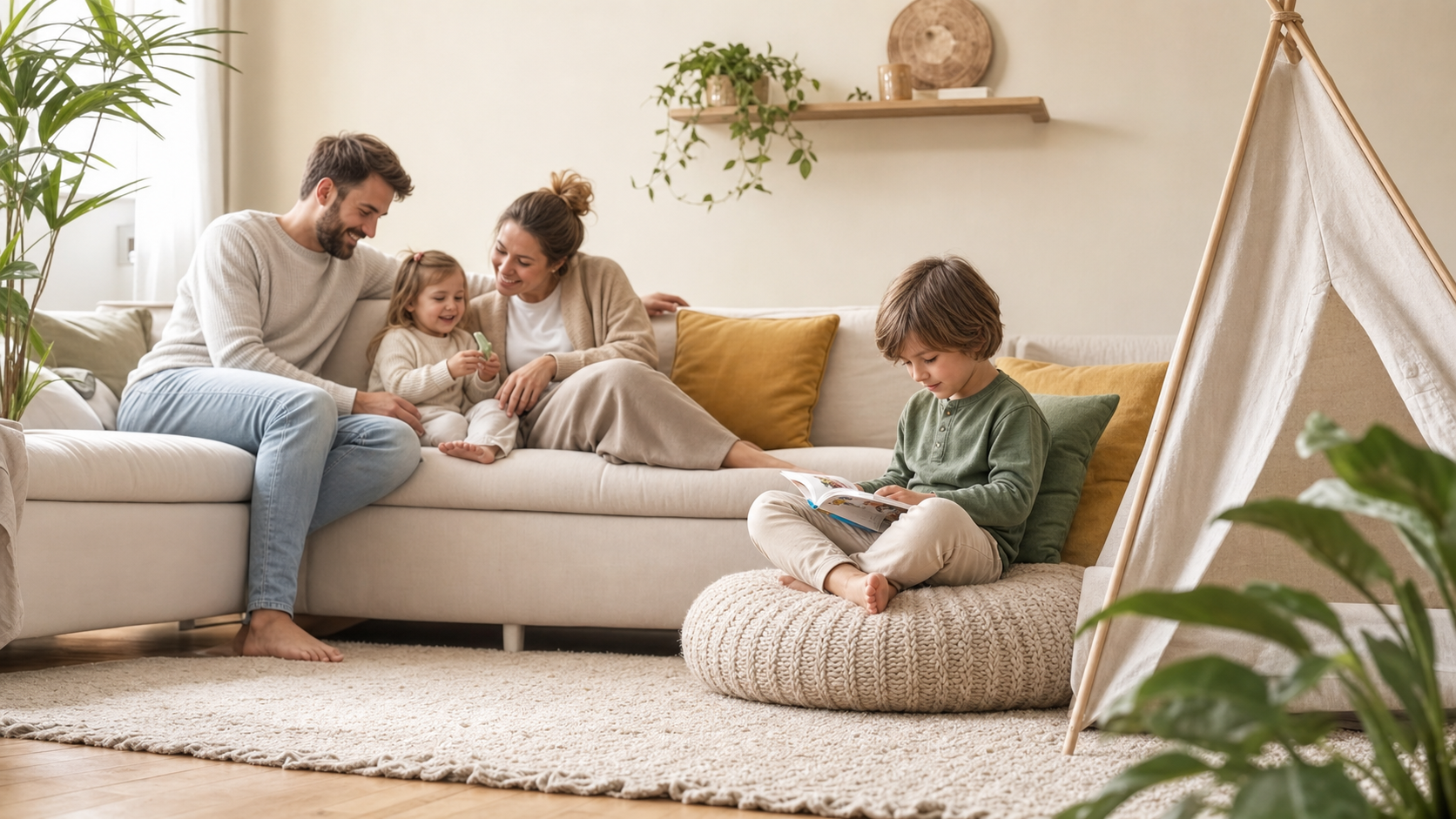
No one ever officially decided it. And yet, for years, every family member has always sat in the same spot. The child with the windowsill behind them. The eldest, who needs to keep an eye on the whole kitchen. Dad with his back to the door – or the other way around. These places form quietly, without discussion, and that’s exactly where their power lies. They’re not a ritual you introduce. They’re one you discover – and one that deserves to be honored before it simply disappears one day.
Why a Chair Is More Than Just a Chair
Children need repetition to feel secure. Not just in routines, but also in their surroundings. When a child knows they will sit in the same spot every evening—with the same views, the same background sounds, the same faces opposite them—it gives the day a reliable frame, without needing much explanation.
This place becomes part of their own story. “That was my spot” is a phrase many adults still connect with a physical feeling decades later. The smell of wood, the light from the kitchen window, the slight wobble of the chair—all of this is stored as an emotional memory, deeper than many family photos.
But fixed places don’t just work backwards. They also give children, right now, in this moment, a sense of belonging: This spot is mine. I belong here. I am part of this circle. That’s no small thing—that’s identity in everyday life.
How to Honor Special Places – Before They Disappear
Most of the time, no introduction is needed. The seats are already there. What’s missing is the moment of recognition – that brief pause that turns an unconscious habit into a true ritual.
It can start as simply as this: At the next family meal, someone asks around the table, “Why do you always sit right there?” The answers often surprise. One child wants to be close to the kitchen in case they want seconds. Another enjoys the view of the garden. No one has ever talked about it – and suddenly, it becomes a conversation.
The next step is to make the spot visible. Not with name tags or obligatory decorations, but with a small personal touch. A stone the child has chosen themselves. A handwritten name card that’s put away after the meal. A photo showing who sits there – then and now.
These little gestures cost little but create something lasting: the awareness that this place matters. That it has been seen.
Age-Appropriate Options – From 6 to 12 and for the Whole Family
Depending on their age, children need different approaches to this ritual. The following variations can be easily incorporated into everyday life—without effort and without pressure.
How a Place Becomes a Lasting Memory
Memories of places don’t form through mere preservation – they form through meaning. When children know that their spot has been seen and valued, the memory of it takes root much more deeply.
A simple way: Once a year – perhaps on the child’s birthday or around the New Year – jot down who sits where and what that spot means to the child right now. Not as a school essay, just a sentence or two. Over the years, these notes accumulate into something unexpected: a quiet chronicle of everyday life that no one ever planned.
Then, when the move comes, puberty shakes up the old seating arrangements, or a chair simply gets replaced – there’s something there. No museum, no big fuss, but clear proof: This place existed. It mattered. And someone wrote it down.
Memory Compass
Which memory formats work especially well for this article?
Frequently Asked Questions
How much time should families plan for this?
Ten to fifteen relaxed minutes are plenty. What matters is sharing a real moment, not getting it perfect.
What if my child doesn’t want to join in right now?
If your child isn't in the mood, let the idea wait or keep it small. It should feel natural, never pressured.
Tags